An Introduction to Your Home's Electrical System
In the heart of Beverly Hills, where elegance meets innovation, understanding the basics of your home's electrical system can empower you as a homeowner. Electrical systems may seem complex, but with a little guidance, recognizing how they function can help you maintain a safe and efficient home environment. This guide simplifies technical concepts, making them accessible for non-experts who wish to gain a better understanding of their home's electrical infrastructure.
Key Components of Your Home's Electrical System
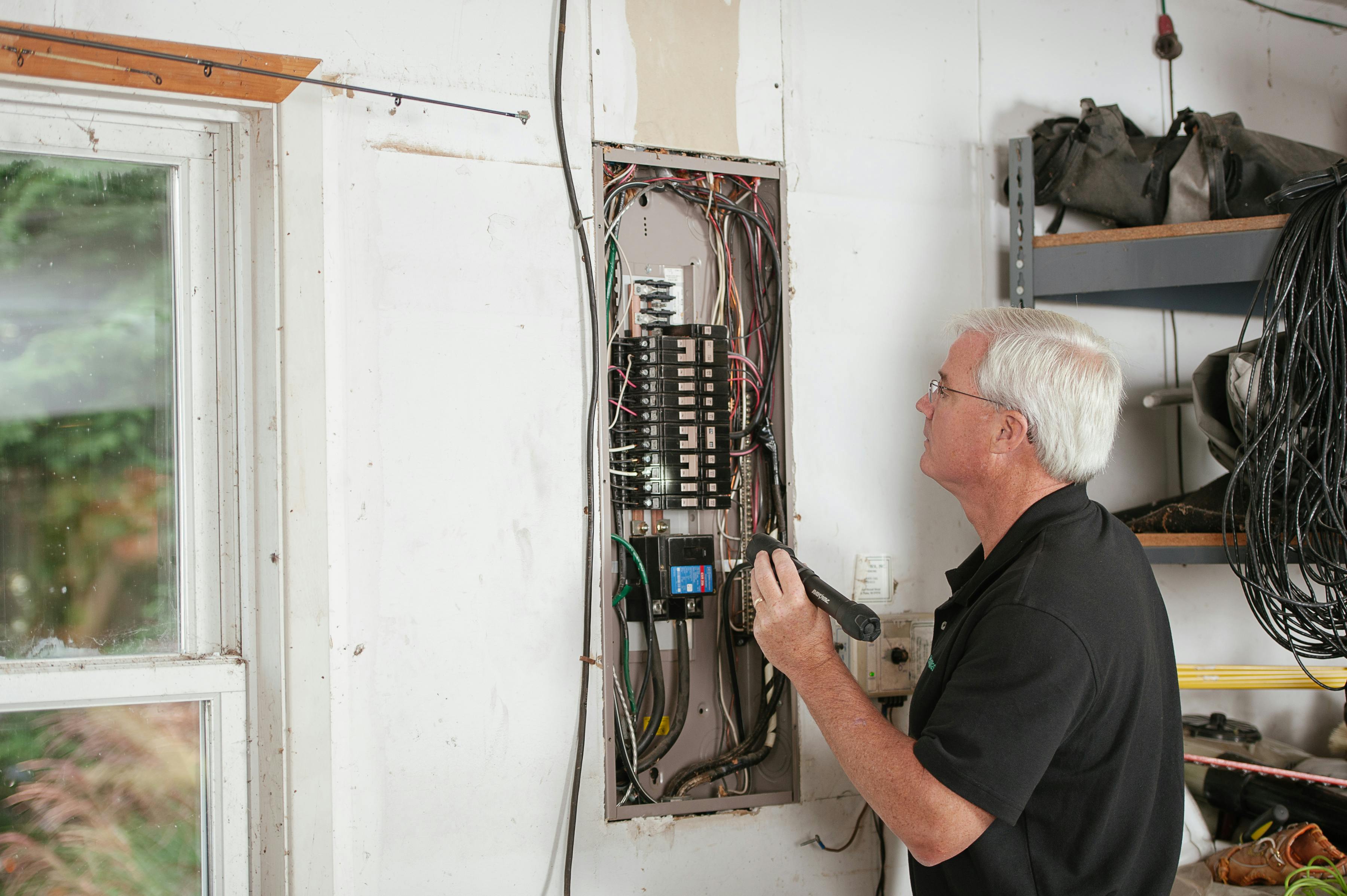
The Main Service Panel
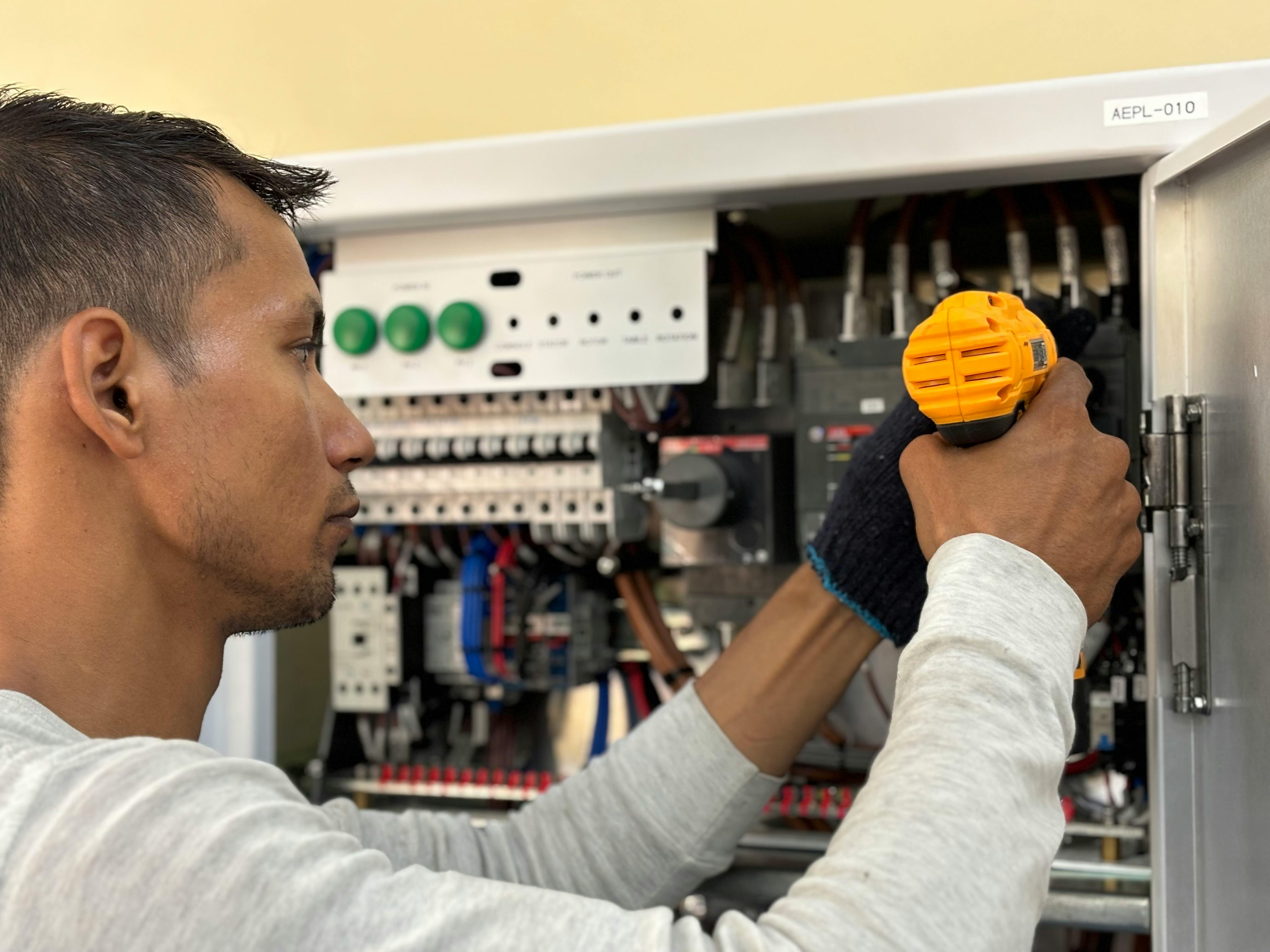
The main service panel, often referred to as the breaker box, is the hub of your home's electrical system. It distributes electricity from the utility company to various circuits throughout your home. Each circuit is protected by a circuit breaker, which automatically stops electricity flow in the case of an overload or short circuit to prevent fires and other dangers.
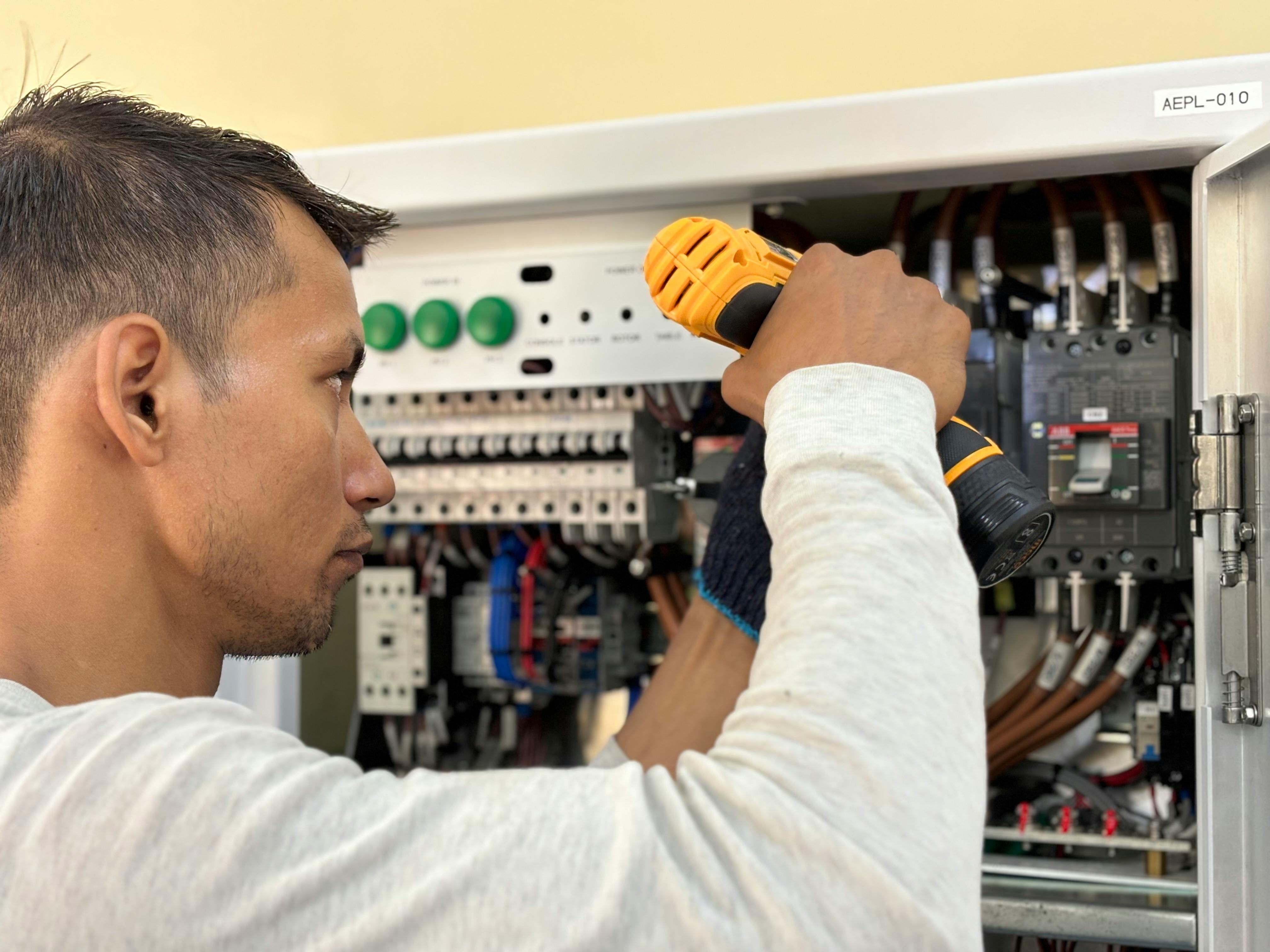
Circuit Breakers
Circuit breakers are safety devices designed to protect your electrical circuits. They interrupt the electrical flow when they detect an overload or fault. Understanding how to reset a tripped breaker can save you from unnecessary service calls. Simply locate the breaker that is in the 'off' position and switch it back to 'on'. If a breaker trips repeatedly, it might indicate a more serious issue, requiring professional attention.
Wiring and Outlets
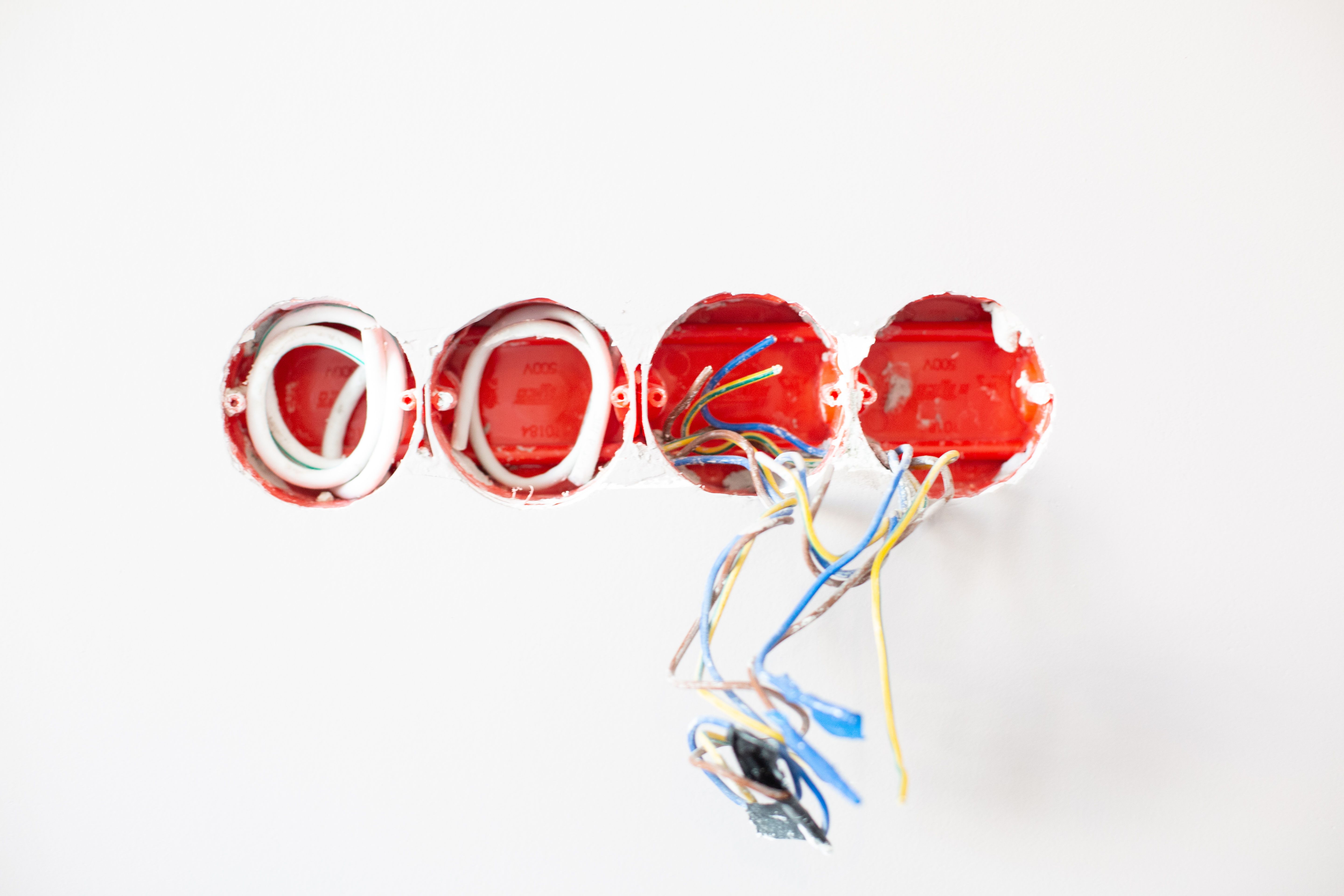
Your home is crisscrossed with electrical wires that transport power from the main panel to outlets, switches, and appliances. Standard outlets are designed for typical household plugs, while GFCI (Ground Fault Circuit Interrupter) outlets are used in areas prone to moisture, like kitchens and bathrooms, to prevent electrical shocks.
Common Electrical Terms Simplified
Voltage
Voltage is the pressure from an electrical circuit's power source that pushes charged electrons (current) through a conducting loop, enabling them to do work such as lighting a bulb. Most homes in Beverly Hills operate on a standard voltage of 120 volts for regular outlets.
Amperage
Amperage, or amps, is a measure of the amount of electrical current flowing through a circuit. It’s important to match the amperage of your appliances with the circuit capacity to avoid overloading.
Watts
Watts measure the rate of energy transfer. It is calculated by multiplying volts by amps. Understanding wattage can help you determine how much electricity an appliance uses, influencing energy efficiency and cost.
Maintaining an Efficient and Safe Electrical System
Regular Inspections
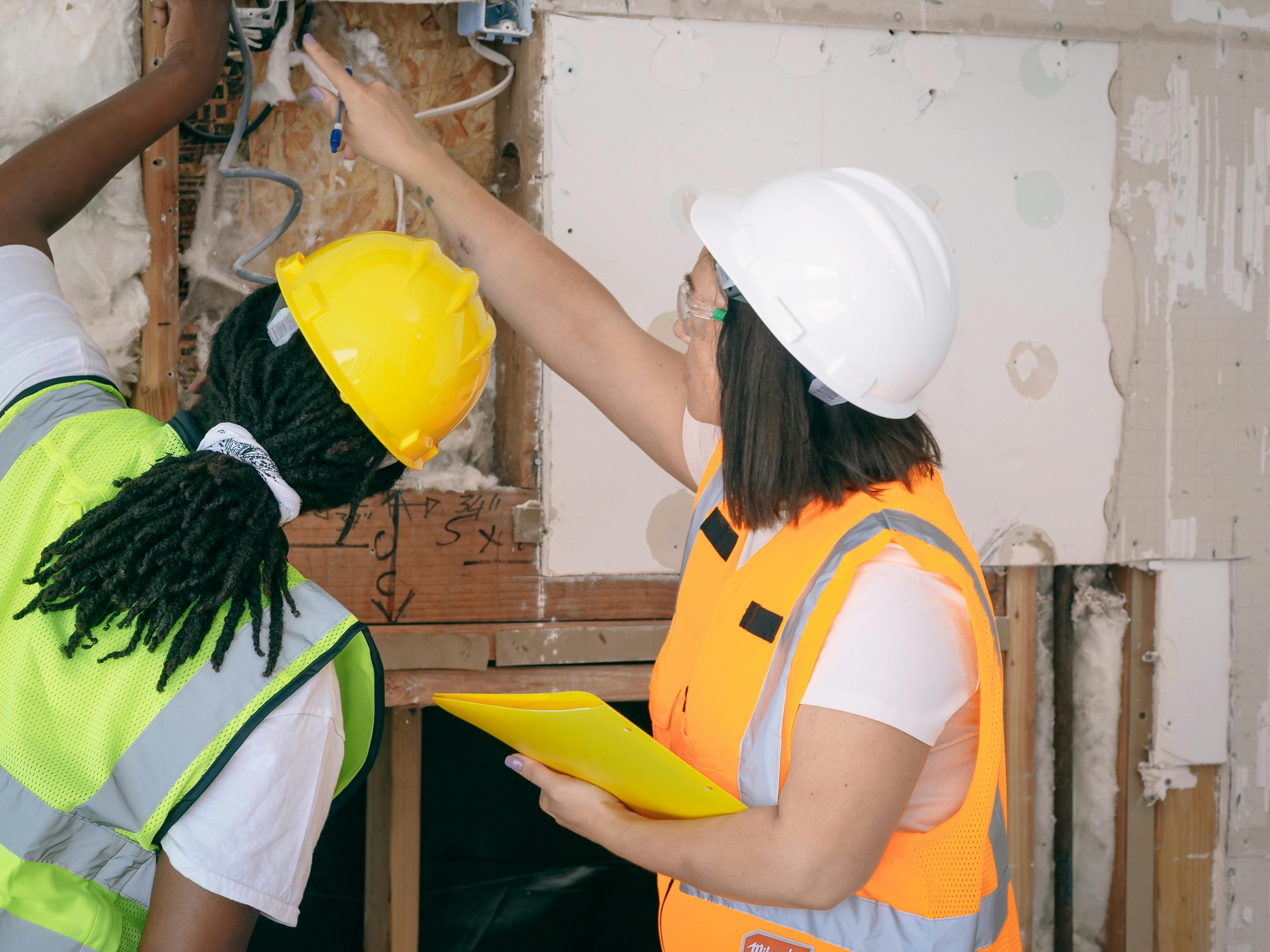
Regular electrical inspections are crucial for maintaining safety and efficiency. Hiring a qualified electrician, like those at Seven Electric, to perform an annual check can prevent potential hazards and ensure your system is up to current standards.
Energy Efficiency
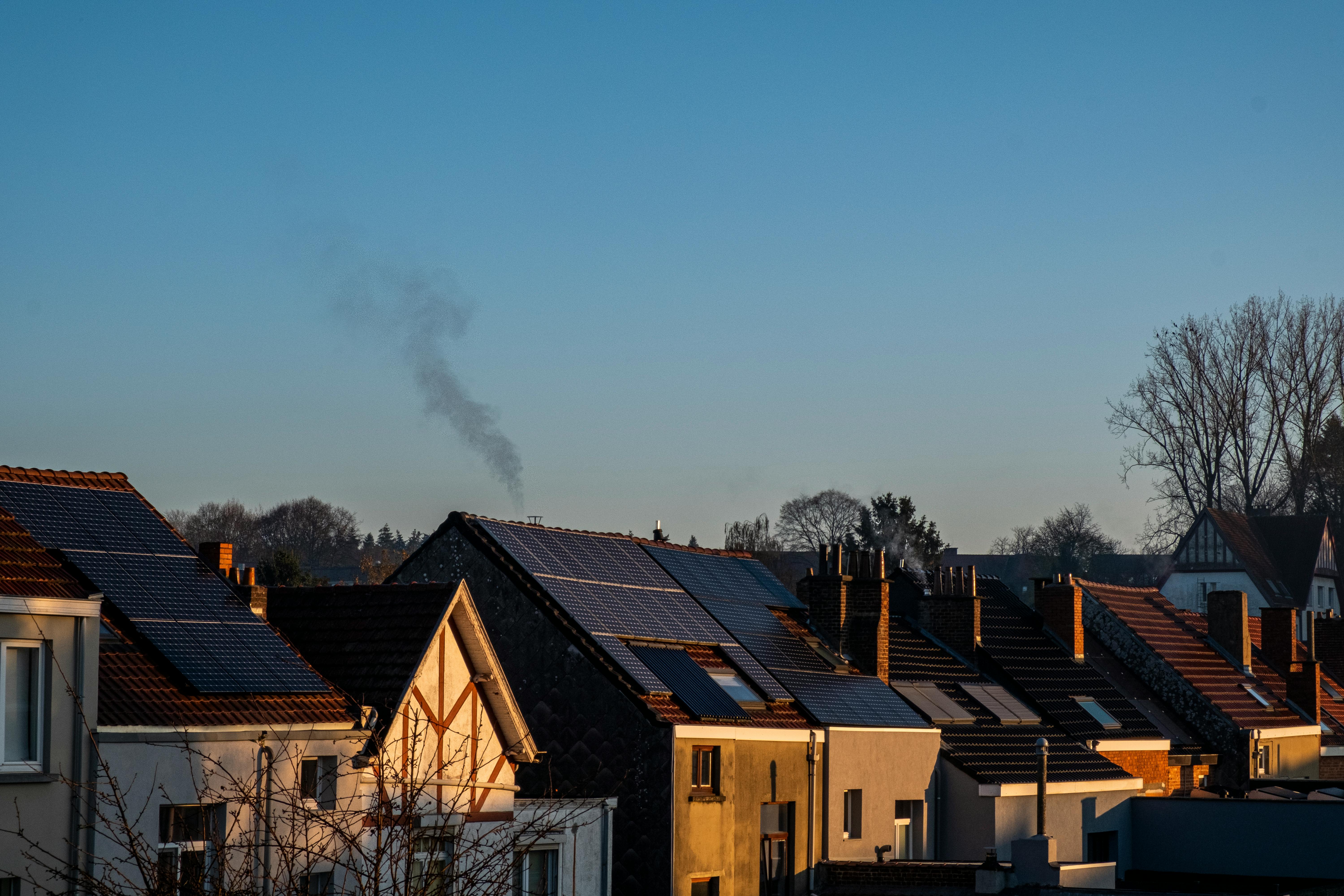
Improving your home's energy efficiency can lower utility bills and reduce environmental impact. Consider upgrading to LED lighting, installing smart thermostats, and using energy-efficient appliances. These changes not only enhance efficiency but also increase the value of your property.
Handling Electrical Problems
While minor issues may be resolved with basic troubleshooting, complex problems should always be handled by professionals. Flickering lights, frequent breaker trips, or sparking outlets are signs of potential electrical hazards. In these cases, contacting a trusted local electrician such as Seven Electric can ensure your home's safety.
Why Choose Seven Electric?
Located in Beverly Hills, Seven Electric is committed to providing reliable and knowledgeable service to ensure your electrical needs are met with expertise and care. Whether you're dealing with a simple issue or require a complete system upgrade, our team is here to help.
For more information or to schedule an inspection, feel free to contact us. Empower yourself with the knowledge to manage your home’s electrical system safely and efficiently, with professional support just a call away.